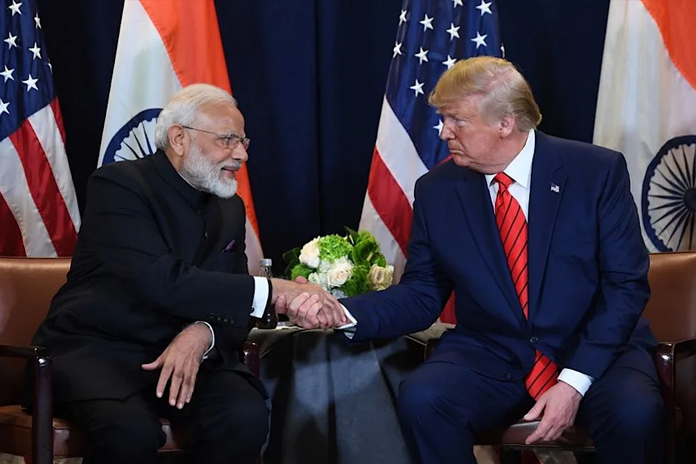
The latest interaction between Washington and New Delhi is a study in how diplomacy often mixes warmth with hard bargaining. A birthday phone call from the American President to India’s Prime Minister, replete with praise and talk of partnership, came even as punitive tariffs on Indian exports remain firmly in place.
The gesture offered a fleeting moment of goodwill, but it also underscored a deeper reality: sentiment may open doors, but strategy decides what crosses the threshold. The American leader’s message was carefully calibrated. By thanking India for its role in efforts to end the Russia-Ukraine conflict, he acknowledged New Delhi’s global relevance while avoiding any direct concession on trade.
India, for its part, responded with equal optimism, emphasising friendship and the shared goal of elevating the relationship to “new heights.” Both sides thus managed to project camaraderie while sidestepping the uncomfortable fact that the tariffs ~ some of the steepest in recent memory ~ remain untouched. The economic stakes are significant. India’s exports to the United States have already shown signs of strain, with monthly figures slipping after the duties were announced.
Washington has openly tied half of the 50 per cent tariff to India’s continued purchases of Russian oil and weapons, linking commercial pain to geopolitical choices. New Delhi has defended those purchases as a matter of national energy security, arguing that global energy markets cannot be held hostage to political conflicts. Both capitals recognise that a protracted stalemate serves neither side, especially as global supply chains remain fragile and investors seek predictable trade rules amid shifting geopolitical alliances.
Against this backdrop, trade negotiators from both countries described their discussions on Tuesday as “positive” and “forward looking.” Yet officials were quick to clarify that the meeting was exploratory rather than a formal round of negotiations. That distinction matters. It signals that while both sides are willing to talk, neither is prepared to retreat from core positions. For the United States, tariffs remain a tool to pressure Moscow and to extract trade concessions.
For India, maintaining diversified energy supplies is a red line. This episode illustrates a broader truth about 21st century diplomacy. Economic instruments ~ tariffs, market access, investment approvals ~ are increasingly wielded as levers of strategic influence. Friendly rhetoric can soften the edges, but the underlying calculus is transactional. India and the United States share a long-term interest in closer economic integration, yet the path to a comprehensive trade agreement will be strewn with tests of political will.
A brief exchange of birthday greetings cannot mask the complexity of these negotiations. It can, however, serve as a reminder that even the hardest bargains require a measure of personal rapport. If Prime Minister Narendra Modi and President Donald Trump can convert their public warmth into private flexibility, the current pause in hostilities could become the first step toward a trade deal that reflects both strategic convergence and economic pragmatism.