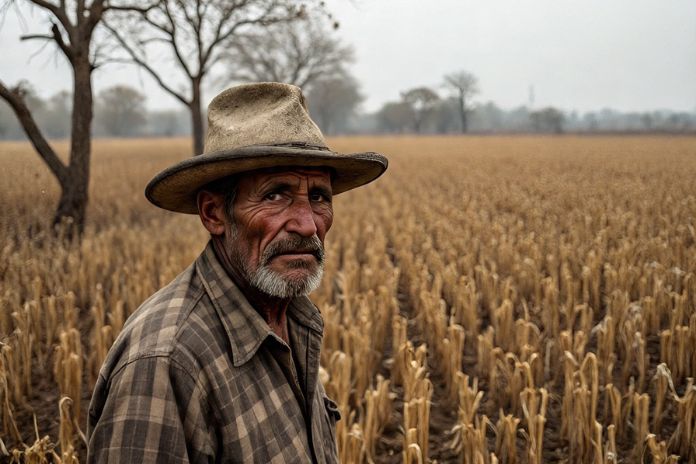
Climate change is a significant threat to global food security. Rising temperatures, changing precipitation patterns, and increased frequency of extreme weather events are impacting crop yields, reducing nutritional content, and disrupting food systems. This can lead to food shortages, price increases, and decreased access to nutritious food, particularly for vulnerable populations.
What can we do?
To address the impact of climate change on food security, we can adopt climate-smart agriculture practices, such as:
- Using drought-resistant crop varieties
- Implementing conservation agriculture techniques
- Promoting sustainable agriculture and reducing greenhouse gas emissions
- Supporting climate-resilient agriculture and improving food systems
- Investing in agricultural research and development
By taking these steps, we can build a more resilient food system and ensure food security for future generations.
What if we don’t act?
If we fail to address the impact of climate change on food security, we may face:
- Increased food insecurity and malnutrition
- Decreased crop yields and reduced food availability
- Loss of livelihoods for farmers and communities
- Increased poverty and economic instability
- Decreased ability to adapt to future climate-related shocks
It’s essential to take action now to protect our food supply and ensure a healthy future for all. By working together, we can build a more sustainable and resilient food system that can withstand the challenges of climate change.