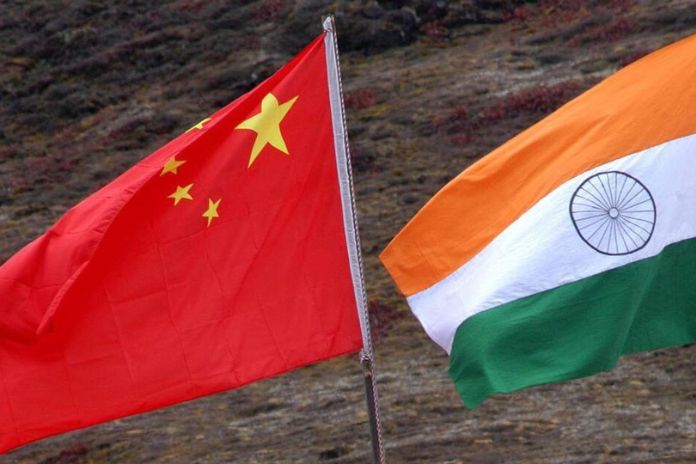
India has announced the resumption of tourist visa services for Chinese nationals starting July 24, 2025. This decision brings an end to a five-year freeze that began in 2020, following the Galwan Valley clash and the onset of the COVID-19 pandemic. During this period, travel between the two countries was significantly restricted, with all previously issued visas for Chinese citizens cancelled and no new tourist visas accepted.
Chinese citizens who wish to visit India will need to follow a clear and structured process. The application must begin online, where applicants are required to fill out their visa forms and book an appointment. Once this step is complete, they must submit their printed application form, valid passport, and other supporting documents in person at one of the designated Indian Visa Application Centers in China. These centers are located in Beijing, Shanghai, and Guangzhou, and currently only accept visitors through confirmed appointments. Walk-ins will not be entertained under the new policy.
The reopening of tourist visas signals a cautious step toward normalizing relations between the two neighboring countries. The decision is part of broader diplomatic efforts that include restarting direct flight services between major Indian and Chinese cities, as well as reopening religious travel routes such as the Kailash Manasarovar pilgrimage for Indian citizens. China has responded positively to India’s decision, stating that it is ready to work with India to enhance people-to-people exchanges and strengthen bilateral ties.
Despite this positive development, challenges remain. The long-standing border dispute along the Line of Actual Control (LAC) continues to be a major point of contention, and resolving these issues is critical to fully restoring diplomatic relations. Indian officials have emphasized that further progress will depend on sustained disengagement and de-escalation in the disputed regions.
India’s move to resume tourist visas for Chinese nationals is a significant diplomatic gesture aimed at enhancing cultural exchanges and tourism. While it doesn’t represent a full resolution of political disputes, it does suggest a willingness from both sides to gradually rebuild trust and communication. As travel restrictions ease and people begin to connect again, this step may pave the way for deeper engagement between the two nations in the future.