On July 11, 2025, UNESCO officially recognized three of Cambodia’s most tragic genocide-era locations as World Heritage Sites. These sites — Tuol Sleng Genocide Museum, Choeung Ek Killing Fields, and the lesser-known M-13 prison — were once centers of horror under the Khmer Rouge regime between 1975 and 1979. Today, they stand as powerful symbols of remembrance, peace, and resilience.
Tuol Sleng, a former school turned into the notorious S-21 prison, saw more than 15,000 Cambodians imprisoned and tortured, with only a few surviving. Choeung Ek, located just outside the capital, served as an execution ground where thousands were killed in mass graves. M-13, a rural site in Kampong Chhnang province, functioned as a secret prison before the larger S-21 was established, and it remains mostly untouched to preserve its raw historical authenticity.
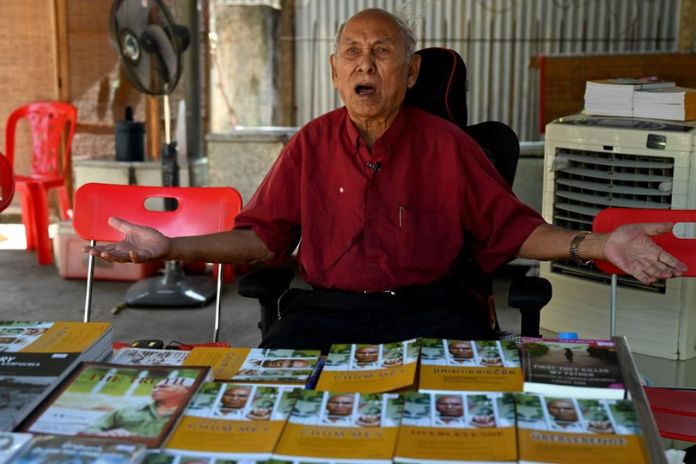
Survivors of the genocide have expressed deep emotion and relief at this recognition. Chum Mey, one of the very few survivors of S-21, shared how the UNESCO listing brings back painful memories but also honors the lives lost and the suffering endured. Norng Chanphal, who was just a child during his imprisonment at Tuol Sleng, returns to the site every day to remember his mother, who died there. He hopes this international recognition will help ensure that such atrocities are never repeated.
For many Cambodians, the inscription offers long-awaited acknowledgment from the global community. Khuon Sovann, now 82, lost over ten family members during the genocide. She believes this honor will preserve the truth of Cambodia’s past for future generations. The Cambodian Ministry of Culture has called the listing a reflection of the country’s transformation — from a land once torn by genocide to one working toward unity, justice, and peace.
This recognition not only preserves physical spaces where history unfolded but also serves as a moral reminder. The inclusion of these sites in UNESCO’s World Heritage List is a commitment to remembering the lives lost and educating future generations about the dangers of dictatorship, violence, and silence. Cambodia’s dark chapter is now an international lesson — one etched into the world’s collective memory.