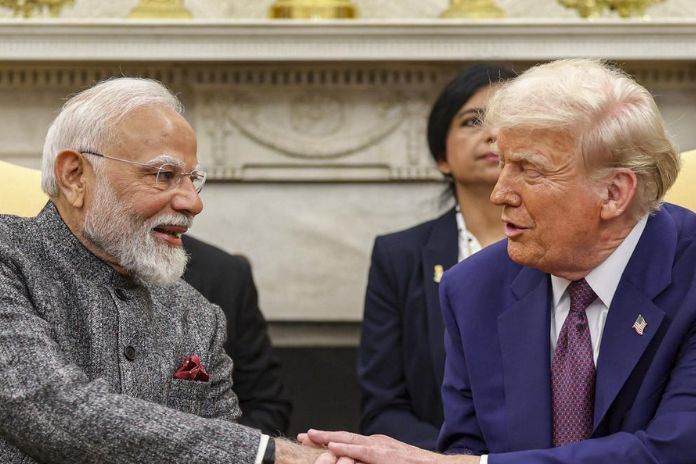
India and the United States are racing against time to finalize a much-anticipated bilateral trade deal as the July 9 deadline for the reimposition of tariffs approaches. A high-level delegation from New Delhi, led by Chief Negotiator Rajesh Agarwal, is currently in Washington to engage in intensive negotiations with the Office of the United States Trade Representative (USTR).
The urgency stems from a 90-day suspension granted by President Donald Trump on reciprocal tariffs — including a 26% duty on select Indian exports — which is set to expire soon. While both sides had initially planned to roll out the first phase of the deal by the fall, the looming deadline has accelerated talks in a bid to avoid renewed trade tensions.
One of the primary flashpoints in the discussions is the agricultural sector. The United States is pressing India to slash import duties on key American exports such as maize and soybeans, most of which are genetically modified. It is also seeking greater access to the Indian dairy market. However, India has resisted these demands, citing serious concerns about public health, food safety, and the livelihood of millions of Indian farmers. Officials have made it clear that India will not agree to any deal that compromises its domestic interests.
In return, Indian negotiators have asked the US to roll back tariffs on steel and auto components and to permanently suspend the 26% reciprocal tariff that was paused earlier this year. Washington, however, is yet to commit to these concessions and is reportedly demanding deeper tariff cuts across multiple sectors, including alcoholic beverages and automobiles, alongside easing non-tariff barriers.
Despite the deadlock, both countries remain committed to finding middle ground. The ongoing two-day talks are being seen as a critical window of opportunity to lay the groundwork for a broader trade framework. Indian officials have emphasized that while New Delhi is open to negotiation, protecting national interest will remain non-negotiable.
With less than two weeks to go, all eyes are on Washington to see whether the world’s two largest democracies can bridge their trade divide and ink an interim deal before the clock runs out.